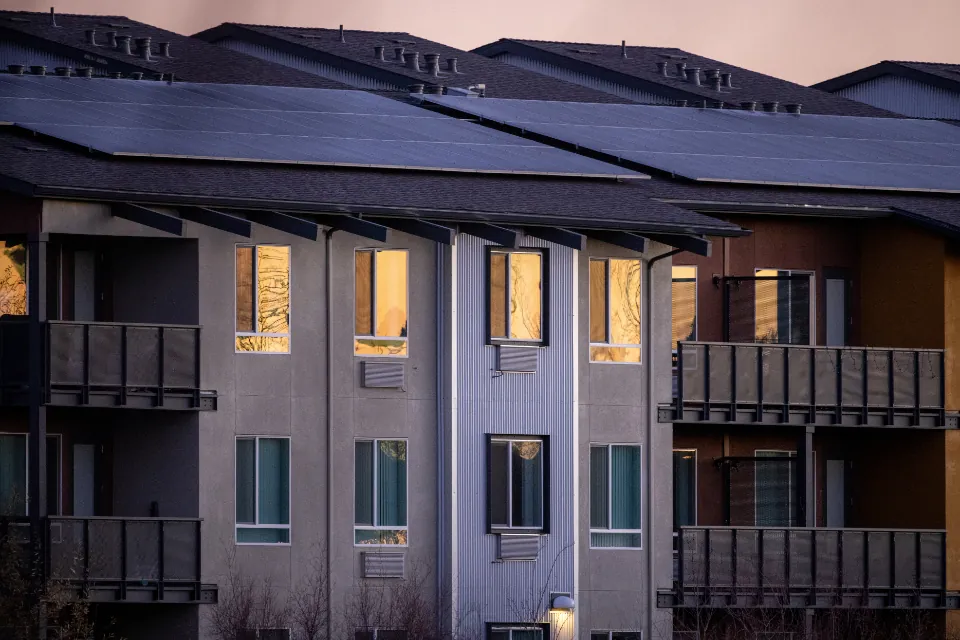
A 10 kW system suits big bungalows, joint families, and small businesses such as clinics, shops, coaching centres, guest houses and small workshops. At this size, the type of electricity connection (domestic or commercial) changes the economics more than the hardware does.
What does a 10 kW solar system cost in 2026?
Per-kW cost falls slightly at 10 kW because fixed costs such as design, net-meter paperwork and labour spread over more capacity. Indicative 2026 prices, including 5% GST on solar devices (effective 22 September 2025):
| Configuration | Indicative price | Notes |
|---|---|---|
| 10 kW on-grid, residential (DCR) | ₹5,00,000 – ₹6,50,000 | Less ₹78,000 subsidy = ₹4,22,000 – ₹5,72,000 |
| 10 kW on-grid, commercial (non-DCR allowed) | ₹4,50,000 – ₹6,00,000 | No PM Surya Ghar subsidy |
| 10 kW hybrid + 10 kWh LFP battery | ₹7,50,000 – ₹9,50,000 | Battery not subsidised |
| 10 kW hybrid + 20 kWh LFP battery | ₹9,50,000 – ₹12,00,000 | For heavy backup needs |
Residential subsidised systems must use ALMM-listed DCR modules; with ALMM List-II (cells) in force from 1 June 2026, DCR modules may cost around ₹3,000 per kW more. Commercial buyers can often choose non-DCR modules; compare them in DCR vs non-DCR solar panels.
Does a 10 kW system get the PM Surya Ghar subsidy?
For residential consumers, yes, but it is capped. The central financial assistance (CFA) is ₹30,000/kW for the first 2 kW and ₹18,000 for the third, capped at ₹78,000 for 3 kW and above, according to the PM Surya Ghar portal. So a 10 kW home system gets the same ₹78,000 as a 3 kW one. Housing societies get ₹18,000/kW for common facilities, up to 500 kW (see solar for housing societies).
Commercial and industrial connections do not get this subsidy. Instead, businesses may benefit from accelerated depreciation and input tax credit; consult your CA, as tax rules changed with the new Income-tax Act from April 2026. See solar tax benefits.
How many units does a 10 kW system generate?
- Daily: 40–50 units on average
- Monthly: 1,200–1,500 units
- Yearly: 12,000–15,000 units
A useful metric here is specific yield: the annual units produced per kWp installed. In most of India it falls between 1,200 and 1,500 kWh/kWp/year.
How much roof area and what connection do you need?
Plan for 800–1,000 sq ft of shadow-free roof, or about 18 panels of 540–580 W. Most DISCOMs require three-phase supply above about 5 kW, and limit rooftop capacity to your sanctioned load. If your sanctioned load is 7 kW, apply for a load enhancement first. Check how net metering works for state limits.
Is 10 kW right for a large home or small business?
| User | Typical monthly use | Why 10 kW fits |
|---|---|---|
| Large home with 4–5 ACs | 1,100–1,500 units | Offsets most of the summer bill |
| Shop or showroom | 1,000–1,400 units | Daytime load matches solar hours |
| Clinic or diagnostic lab | 1,200–1,600 units | High daytime AC and equipment loads |
| Small workshop / flour mill | 1,200–1,500 units | Motors run in daylight; check power quality |
Commercial users usually pay higher tariffs (often ₹8–11 per unit including charges, varying by state), so the payback is faster than for homes. Some states are also introducing Time-of-Day tariffs for C&I consumers of 10 kW and above under the Electricity (Rights of Consumers) Amendment Rules 2023, making daytime solar even more valuable; implementation varies by state.
What is the payback on a 10 kW system?
- Estimate annual generation: 10 kW × 1,350 units = 13,500 units.
- Multiply by your tariff: at ₹8/unit, savings ≈ ₹1,08,000 per year.
- Divide net cost by annual savings: ₹5,20,000 ÷ ₹1,08,000 ≈ 4.8 years.
Over a 25-year life, allowing for about 0.5% annual panel degradation, a 10 kW system can save well over ₹20 lakh at today’s tariffs. Try the ROI calculator. Larger businesses should read our commercial and industrial solar guide.
Should a 10 kW system be on-grid or hybrid?
If your grid supply is reliable and your load is mostly daytime (shops, clinics, offices), on-grid gives the fastest payback. If you face regular load-shedding, a hybrid lets you keep critical loads running, such as a clinic’s refrigerator, computers and lighting, or a home’s fans and one or two ACs. Many owners choose a middle path: a 10 kW hybrid inverter with a modest 10 kWh battery that backs up only essential circuits, with room to add battery later. Compare options in solar for power cuts and size storage with the battery backup calculator.
What should a 10 kW quote include?
- Panel brand, wattage, technology (TOPCon or mono PERC) and ALMM status
- Three-phase string inverter or hybrid inverter with MPPT count
- Hot-dip galvanised structure with wind-load rating
- ACDB/DCDB, earthing and lightning arrester
- Remote monitoring or an energy management system
- Net metering liaison, warranty terms and AMC
- 10 kW on-grid costs about ₹5–6.5 lakh before subsidy (2026, indicative).
- Homes get a capped ₹78,000 subsidy; businesses get no central subsidy but may claim tax benefits.
- Generation is 40–50 units a day, or 12,000–15,000 units a year.
- You need 800–1,000 sq ft of roof, usually three-phase supply and adequate sanctioned load.
- Payback is typically 4–6 years, faster for commercial tariffs.
Planning 10 kW for your home, shop or clinic? SolarEMS designs, supplies and installs on-grid and hybrid systems with smart monitoring. Get a 10 kW solar quote, or explore commercial solar solutions.
Frequently asked questions
What is the price of a 10 kW solar system in India in 2026?
A 10 kW on-grid rooftop system typically costs about ₹5,00,000 to ₹6,50,000 before any subsidy as of 2026. For a residential consumer, the PM Surya Ghar subsidy is capped at ₹78,000, bringing the net cost to roughly ₹4,22,000 to ₹5,72,000. Prices are indicative.
Do businesses get subsidy on a 10 kW solar system?
No central PM Surya Ghar subsidy is available for commercial or industrial connections. Businesses instead benefit from lower electricity bills, possible accelerated depreciation (consult your CA, as tax rules changed from April 2026) and GST input credit where eligible.
How many units does a 10 kW solar system generate?
A 10 kW system generates about 40 to 50 units per day on average in most of India, which is about 1,200 to 1,500 units per month and 12,000 to 15,000 units per year.
How much roof space is needed for 10 kW solar?
About 800 to 1,000 sq ft of shadow-free roof is needed. With 540 to 580 W panels, a 10 kW system uses around 18 panels.
Is a three-phase connection needed for 10 kW solar?
In most states, systems above about 5 kW are connected on three-phase supply, and the solar capacity is usually limited to your sanctioned load. Check your DISCOM's rules and upgrade the load if required before applying.

Written and reviewed by our solar design & energy specialists. Figures are indicative as of November 2026 — always confirm current rules with the national portal or your DISCOM. About us
#10 kW solar system#commercial rooftop solar#solar price India#three-phase solar