Every June we get the same question: “Barish mein solar kaam karega?” The answer is yes, at lower output. Understanding how much lower helps you set realistic expectations and plan your system properly.
How do solar panels generate power without direct sunlight?
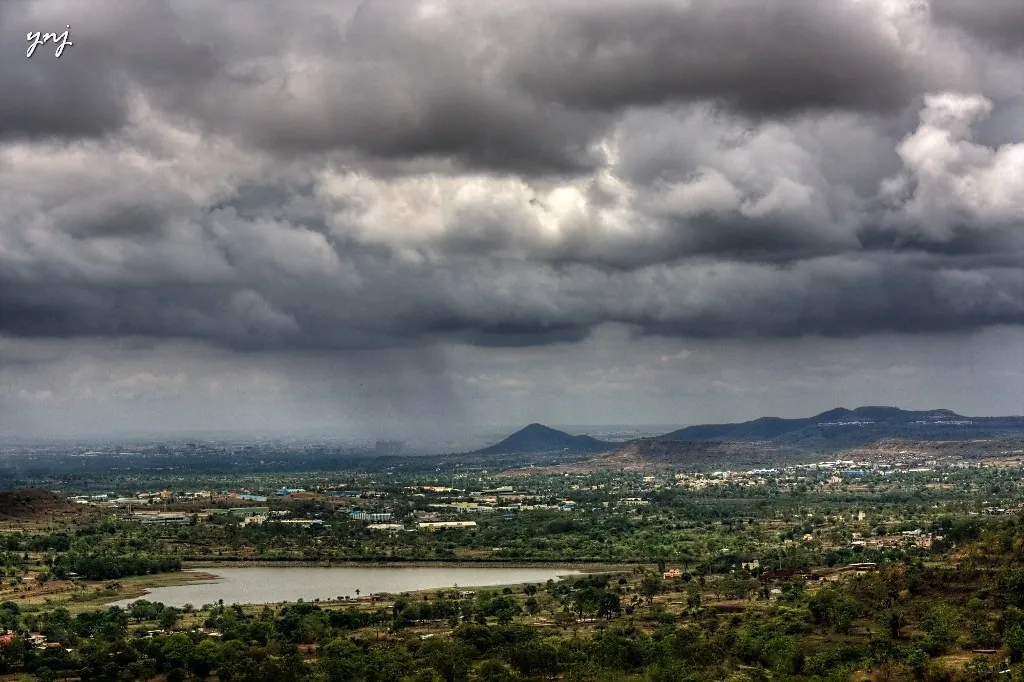
Sunlight reaching your roof has two parts: direct beam light and diffuse light scattered by clouds, dust and air. Panels convert both. Irradiance, measured in watts per square metre, is the amount of solar power falling on a surface. On a clear noon it is around 1,000 W/m²; under thick monsoon cloud it may fall to 100–300 W/m². Output falls roughly in proportion.
A useful related term is peak sun hours: the number of hours per day of equivalent 1,000 W/m² sunlight. Most of India gets around 4.5–6 peak sun hours a day on average, dropping to 3–4 in peak monsoon.
How much does generation drop in monsoon?
The table below shows an indicative month-wise pattern for a 1 kW system in a typical north Indian plains city such as Varanasi or Lucknow. Your location will differ.
| Period | Typical weather | Units per kW per day (indicative) |
|---|---|---|
| March – May | Clear, hot, some dust | 4.8 – 5.5 |
| June | Pre-monsoon haze, onset | 4.2 – 4.8 |
| July – August | Peak monsoon, overcast | 3.0 – 3.8 |
| September – October | Retreating monsoon, clear | 4.0 – 4.8 |
| November | Clear, early smog | 3.8 – 4.4 |
| December – January | Fog, smog, short days | 2.8 – 3.6 |
| February | Clearing skies | 4.0 – 4.8 |
Over the full year, this averages around 4 units per kW per day, or 1,400–1,500 units per kW per year, which is why annual savings estimates already include bad-weather months. Check your own location with the rooftop solar calculator.
How does regional weather change the picture?
- Kerala, coastal Karnataka, Konkan: Long, heavy monsoon (June–September); output can dip 40–50% in peak weeks.
- North-East: Frequent cloud through much of the year; lower annual yield but still viable, with higher subsidy for special category states.
- Rajasthan, Gujarat: Short monsoon and high sun; among the best annual yields in India, though dust storms raise soiling loss.
- Tamil Nadu: Main rain comes with the north-east monsoon (October–December), so the dip arrives later.
- Delhi, UP, Bihar, Punjab, Haryana: Moderate monsoon dip plus a second dip in December–January from fog and smog.
Why does north India’s winter smog hurt solar output?
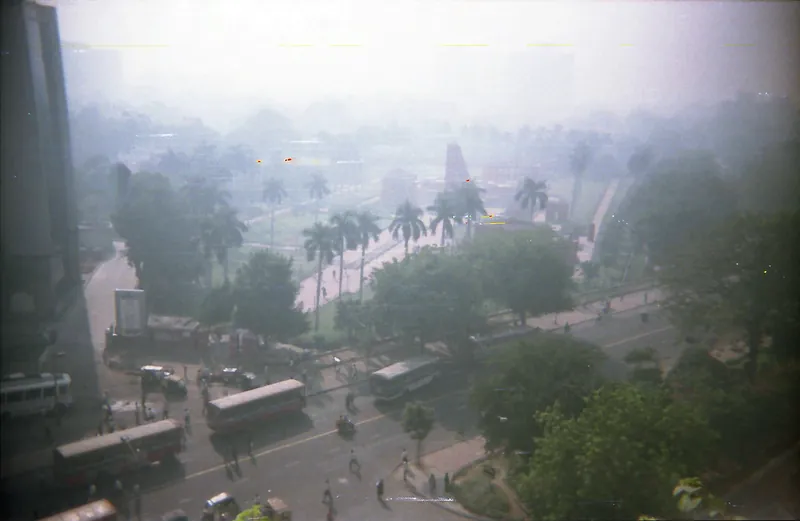
From November to January, the Indo-Gangetic plains often see dense fog and particulate pollution. Three things happen together: haze absorbs and scatters sunlight, fine particles settle as a greasy film on the glass, and days are shorter with a lower sun angle. On the worst fog days, a system may produce under 1 unit per kW until the fog lifts near noon. Across the season, a 20–40% drop versus clear winter days is common.
What helps:
- Clean panels more often in smog season, once or twice a week if the film is visible.
- Use a steeper tilt angle (close to latitude, about 25° in UP) to catch the low winter sun.
- Check for winter shadows from water tanks and neighbouring buildings, which grow longer as the sun drops.
Do solar panels need special care in monsoon?
- Before monsoon: Check structure bolts, cable glands and conduit sealing.
- Test earthing resistance and inspect the lightning arrester.
- Make sure the inverter sits in a dry, ventilated place, away from direct rain.
- Clear roof drains so water does not pool around structure legs.
- During monsoon: Rain does most of the cleaning; rinse off bird droppings or mud splashes.
- Watch your monitoring app; a sudden drop on a sunny break day can signal a fault.
More in our solar panel cleaning and maintenance guide.
Which panel technology handles cloudy weather better?
Newer cell technologies such as TOPCon and HJT generally offer better low-light performance and a lower temperature coefficient than older polycrystalline panels. Bifacial modules capture reflected diffuse light from the rear, which helps on elevated structures above a white or light roof. Differences are modest (a few percent annually) but add up over 25 years. Compare options in solar panel types.
Should you oversize your system for monsoon months?
Generally no. With net metering, units you export in sunny March–May are credited against monsoon and winter consumption, depending on your state’s settlement period (monthly, yearly or otherwise). Size the system on your 12-month consumption. If you need backup during monsoon storms and power cuts, a hybrid with battery is the better fix; see solar for power cuts.
- Panels work on cloudy and rainy days, producing about 10–30% under thick overcast and more under light cloud.
- Peak monsoon months typically give 25–40% less than summer in north Indian plains.
- North India’s December–January fog and smog can cut output 20–40%; more frequent cleaning helps.
- Annual generation estimates (about 1,200–1,500 units per kW) already include these dips.
- Pre-monsoon checks of earthing, sealing and drainage protect your system.
Want a realistic month-by-month generation estimate for your roof? SolarEMS designs systems for Varanasi, Purvanchal and across India with local weather in mind. Request your free estimate.
Frequently asked questions
How much electricity do solar panels produce on a cloudy day?
On a heavily overcast day, panels typically produce about 10 to 30 percent of their clear-day output. Under thin or broken cloud, output can be 50 to 80 percent of normal, and sometimes briefly higher due to reflected light from cloud edges.
Does rain damage solar panels?
No. Certified panels are sealed and tested for water, hail and wind. Rain actually helps by washing off dust. Make sure junction boxes, connectors and the inverter are properly rated and that earthing and lightning protection are in place before monsoon.
How does winter smog in Delhi and UP affect solar generation?
Dense smog and fog in December and January scatter and absorb sunlight and deposit fine dust on panels. Generation in north Indian plains can fall by roughly 20 to 40 percent compared with clear winter days, more on the worst fog days. Frequent cleaning helps recover part of the loss.
Should I install more panels to cover monsoon months?
Usually not. Under net metering, surplus units exported in sunny months offset lower generation in monsoon and foggy weeks, depending on your state's settlement rules. Size the system on annual consumption, not on the worst month.
Do bifacial or TOPCon panels perform better in cloudy weather?
Modern TOPCon and HJT cells generally have better low-light response and lower temperature loss than older technologies, which helps in diffuse light. Bifacial panels gain extra output from reflected light, mainly on elevated structures with a light-coloured roof.

Written and reviewed by our solar design & energy specialists. Figures are indicative as of November 2026 — always confirm current rules with the national portal or your DISCOM. About us
#cloudy day solar#fog and smog#solar generation India#solar in monsoon