Prices, subsidies and tariffs change from time to time. Call us or fill the form for the latest figures.
A 5 kW system is the step up for larger homes: two or three ACs, an electric geyser, perhaps an EV charger. The big decision at this size is not just price, but whether you go on-grid (cheapest, no backup) or hybrid (solar plus battery, backup during power cuts). This guide compares both.
What is the difference between a 5 kW on-grid and hybrid system?
An on-grid system is a solar setup that feeds power to your home and exports surplus units to the DISCOM grid through a bi-directional net meter, with no battery. A hybrid system uses a hybrid inverter that works with the grid and a battery, so selected loads keep running during an outage. On-grid inverters must shut down when the grid fails (anti-islanding), even on a sunny day.
How much can you save?
Get free site surveyHow much does a 5 kW solar system cost in 2026?
| Configuration | Before subsidy (indicative) | After ₹78,000 central subsidy |
|---|---|---|
| 5 kW on-grid, DCR panels | ₹2,75,000 – ₹3,50,000 | ₹1,97,000 – ₹2,72,000 |
| 5 kW hybrid + 5 kWh LFP battery | ₹4,00,000 – ₹4,70,000 | ₹3,22,000 – ₹3,92,000* |
| 5 kW hybrid + 10 kWh LFP battery | ₹4,70,000 – ₹5,50,000 | ₹3,92,000 – ₹4,72,000* |
*Subsidy applies to grid-connected residential systems with ALMM-listed DCR modules through an empanelled vendor; batteries are not covered. Confirm eligibility of your exact configuration on the PM Surya Ghar portal. Prices reflect 5% GST (since 22 September 2025) and the ALMM List-II cell requirement from 1 June 2026, which may add around ₹3,000 per kW.
Uttar Pradesh residents may also receive a state top-up through UPNEDA, reported at about ₹15,000 per kW up to ₹30,000; confirm the current rate with UPNEDA.
How many units does a 5 kW system generate?
At the typical Indian benchmark of 4–5 units per kW per day, a 5 kW system produces:
- 20–25 units per day
- 600–750 units per month
- 6,000–7,500 units per year
Monsoon months and foggy winter weeks in north India can drop daily output to 8–15 units on overcast days. Read how solar panels perform in monsoon and cloudy days for details.
How much roof area does a 5 kW system need?
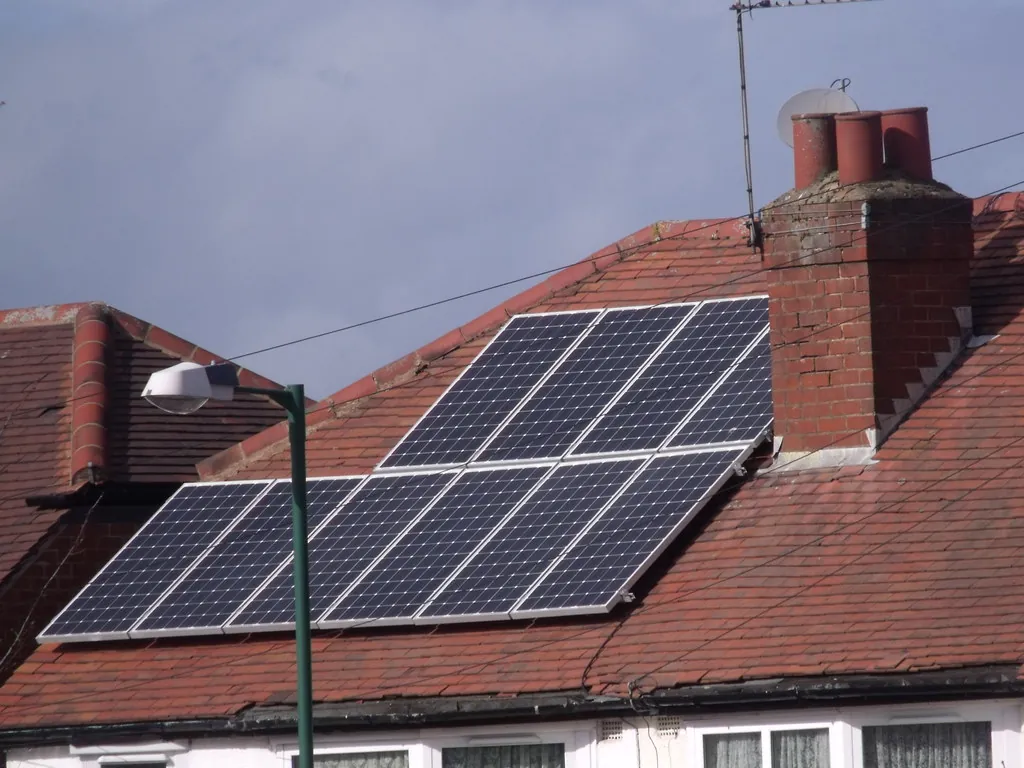
Plan for 400–500 sq ft of shadow-free roof, which fits about 9 panels of 540–580 W. Elevated structures (with 7–8 ft clearance) let you keep using the roof beneath, but cost more. Hybrid systems also need a shaded, ventilated indoor spot for the battery.
On-grid vs hybrid: which 5 kW system should you choose?
| Factor | 5 kW on-grid | 5 kW hybrid |
|---|---|---|
| Upfront cost | Lowest | ₹1.2–2 lakh more (battery size dependent) |
| Backup during power cut | None | Yes, for selected loads |
| Payback | ~4–5 years | ~6–8 years |
| Maintenance | Panel cleaning, periodic checks | Same plus battery monitoring |
| Best for | Cities with reliable grid (Delhi, Mumbai, Bengaluru, Ahmedabad) | Areas with regular load-shedding (parts of UP, Bihar, rural districts) |
If outages are rare and short, a 5 kW on-grid system with a small existing inverter-battery for lights and fans is the most economical. If you face daily cuts of 2–6 hours, a hybrid gives real comfort. Our solar for power cuts guide goes deeper, and the battery backup calculator sizes the battery.
How do you size the battery for a 5 kW hybrid?
- List the loads you need during a cut (fans, lights, fridge, Wi-Fi, maybe one AC).
- Add their running watts. Example: 6 fans (450 W) + 10 LED lights (100 W) + fridge (150 W) + Wi-Fi/TV (150 W) = 850 W.
- Multiply by backup hours: 850 W × 4 hours = 3.4 kWh.
- Divide by usable depth of discharge (about 90% for LFP): 3.4 ÷ 0.9 ≈ 3.8 kWh, so a 5 kWh battery fits.
Adding a 1.5 ton AC (about 1.2–1.5 kW running) for 4 hours needs another 5–6 kWh. See can solar run an AC.
How much can a 5 kW system save?
At an average tariff of ₹7 per unit and 6,500 units a year, savings are roughly ₹45,000 per year. With a net on-grid cost near ₹2.3 lakh, simple payback is about 5 years, and panels carry performance warranties of 25–30 years. Run your own numbers with the ROI calculator and the solar EMI calculator.
Who is a 5 kW system right for?
- Homes consuming 550–750 units a month (bills of roughly ₹4,000–6,500).
- Families with 2–3 ACs or planning an EV.
- Homes with a sanctioned load of 5 kW or more (upgrade first if lower).
Smaller usage? See the 3 kW guide. Bigger home or a shop? See the 10 kW guide.
- 5 kW on-grid: about ₹2.75–3.5 lakh before subsidy, ₹1.97–2.72 lakh after (2026, indicative).
- 5 kW hybrid with 5–10 kWh lithium battery: about ₹4–5.5 lakh; the battery is not subsidised.
- Output is 20–25 units a day; roof needed is 400–500 sq ft.
- Subsidy is capped at ₹78,000 for 3 kW and above, so 5 kW gets the same subsidy as 3 kW.
- Choose hybrid only if you face regular power cuts; otherwise on-grid pays back faster.
Unsure whether on-grid or hybrid suits your home? SolarEMS designs both, with smart monitoring to track generation and battery health. Request a 5 kW solar quote and we will size it to your bill and outage pattern.
Send your electricity bill or a roof photo on WhatsApp and we will suggest the right system and price.
Frequently asked questions
What is the price of a 5 kW on-grid solar system in India?
As of 2026, a 5 kW on-grid rooftop system with DCR panels costs roughly ₹2,75,000 to ₹3,50,000 before subsidy. After the ₹78,000 PM Surya Ghar subsidy, the net cost is about ₹1,97,000 to ₹2,72,000. These are indicative prices and vary by state, brand and structure.
How much does a 5 kW hybrid solar system with battery cost?
A 5 kW hybrid system with a 5 to 10 kWh lithium (LFP) battery typically costs about ₹4,00,000 to ₹5,50,000 before subsidy in 2026. The solar portion can qualify for PM Surya Ghar subsidy if it is grid-connected with DCR panels, but the battery itself is not subsidised.
How many units does a 5 kW solar system produce?
A 5 kW system produces about 20 to 25 units per day on average in most of India, which is roughly 600 to 750 units a month and 6,000 to 7,500 units a year.
Is subsidy higher for 5 kW than for 3 kW?
No. The central subsidy for residential rooftop solar is capped at ₹78,000 for any system of 3 kW or more. A 5 kW system receives the same ₹78,000 as a 3 kW system.
How much roof space does a 5 kW system need?
Plan for about 400 to 500 sq ft of shadow-free roof. With 540 to 580 W panels, a 5 kW system uses about 9 panels.

Written and reviewed by our solar design & energy specialists. Figures are indicative as of November 2026 - always confirm current rules with the national portal or your DISCOM. About us
#5 kW solar system#hybrid solar#on-grid solar#solar price India